Construction Asset Protection
for construction project
Integrated manned guarding, mobile CCTV systems, and HSE coordination
for general contractors and investors.
Documented operations. Regulatory compliance. Full control.
Construction Asset Protection Is Not an Option — It’s a Fundamental Project Security Requirement
Construction sites are high-risk environments. High-value raw materials, mobile machinery, and temporary infrastructure without continuous supervision represent significant financial and scheduling risks.
Our integrated protection model combines manned guarding, mobile CCTV systems, and HSE coordination into a single, transparent operational structure.
Free ConsultationIntegrated Construction Asset Protection Model
Manned guarding, mobile CCTV systems, and HSE coordination within a single structured, fully documented framework. Multi-layered protection for high-value construction projects.
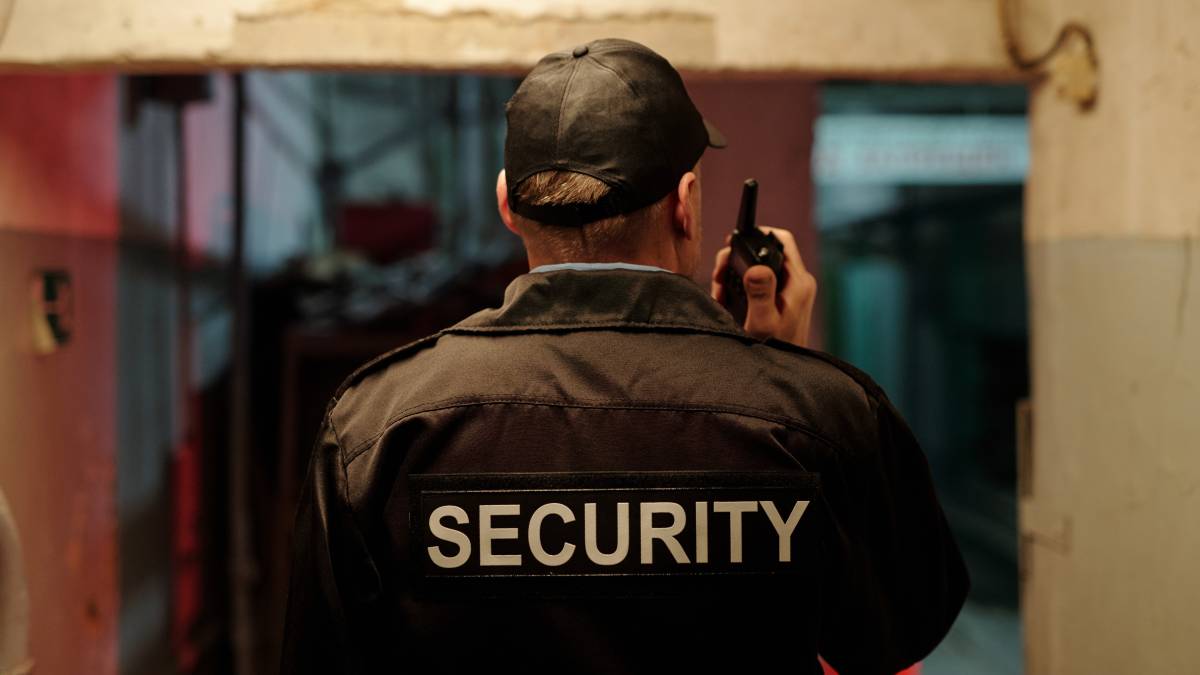
Manned Guarding
24/7 on-site presence, access control, routine patrols, and documented incident management throughout the construction site.
Mobile CCTV & Remote Monitoring
Deployable CCTV towers with night vision and motion detection, supported by real-time central dispatch monitoring.
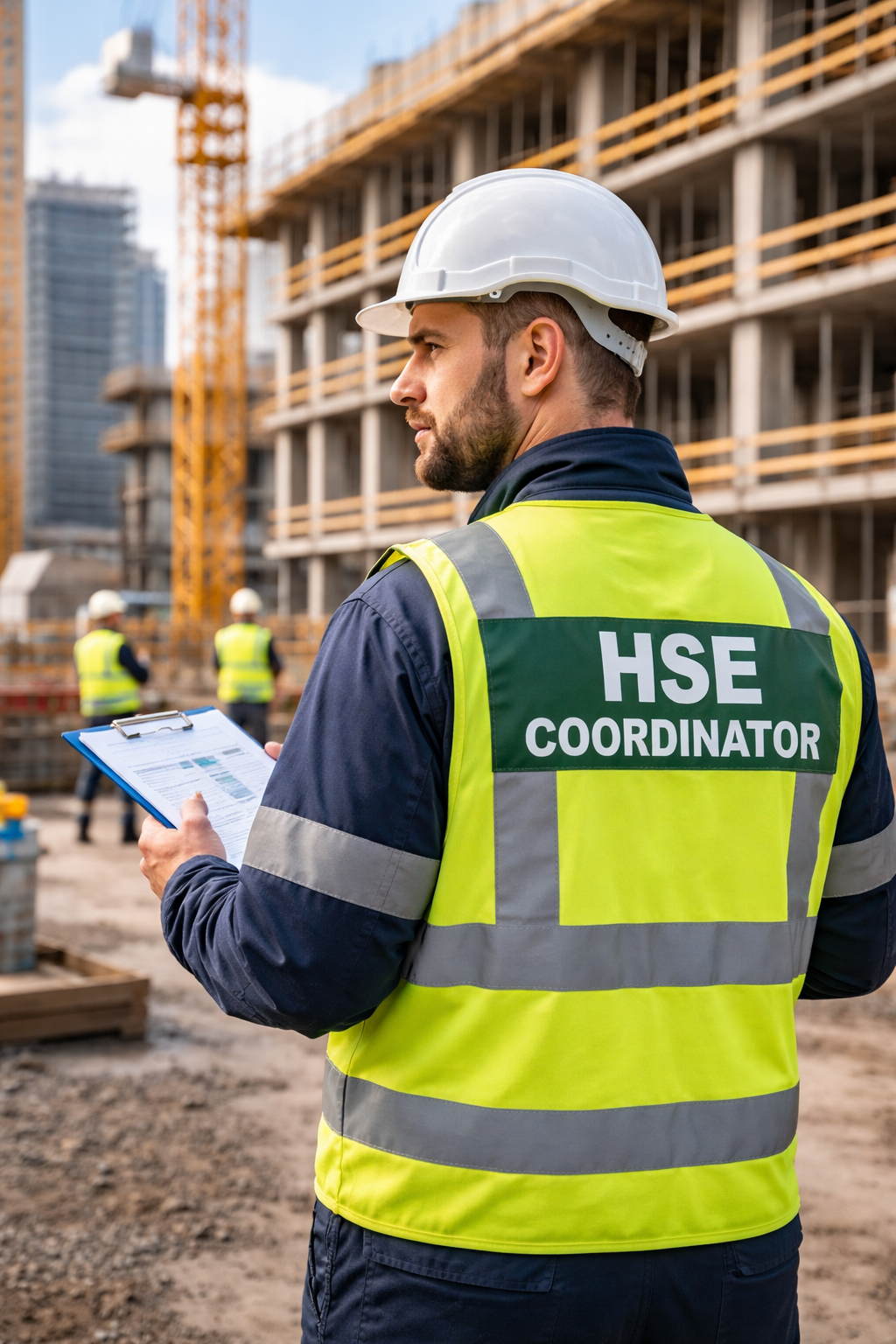
HSE Coordination
On-site occupational health and safety supervision, risk assessments, safety documentation, and full regulatory compliance throughout the entire duration of the construction project.
Risk-Based Construction Asset Protection – Multi-Layer Security Architecture
Construction asset protection is not static guarding, but a dynamically adaptive, phase-recalibrated protection structure. In investments worth millions or even billions, risk management must operate on a systemic level — not on an occasional basis.
Our model is built on three interlinked protection layers, ensuring operational, technological, and legal control.
1. Operational Control Layer
Manned presence, regulated access control, structured patrol systems, and integrated incident escalation protocols.
The objective is not merely detection, but immediate, structured intervention with documented action.
2. Technological Control Layer
Mobile CCTV towers, thermal cameras, motion detection, blind spot optimization, and remote monitoring centers.
Continuous data generation ensures verifiable event logs and proactive detection capabilities.
3. Legal & Insurance Control Layer
Regulatory compliance, auditable documentation, structured incident reporting, and operational alignment with insurance requirements.
Beyond loss prevention, the system ensures long-term legal and financial protection.
Risk Assessment Audit – Structured by Project Phases
Each construction phase carries different loss exposure potential. The protection system is recalibrated at every stage.
Without Security, There Is No Successful Construction Project.
HSE construction coordination and asset protection are not administration – they are the financial and legal safety net of your project.
🏗 HSE Coordination
- Accident prevention
- Ensuring regulatory compliance
- Avoidance of fines and penalties
- Reduction of liability risks
- Minimizing project delays
🔐 Asset Protection
- Reduction of material and equipment theft
- Prevention of unauthorized access
- Avoidance of vandalism
- Continuous on-site security presence
- Support for insurance compliance
⚖ Financial & Legal Protection
- Risk analysis from the very beginning
- Comprehensive documentation
- Preparation for authority inspections
- Prevention of conflict situations
- More predictable project management
Don’t address security only after something has already gone wrong.
On a construction site, assets worth millions move every single day. One accident, one compliance issue, or one theft can lead to serious financial and legal consequences. Professional HSE and asset protection coordination are not additional costs – they are strategic protection.
Construction asset protection is not the same as simple guarding.
System architecture makes the difference.
Traditional Guarding
Static presence without structured risk assessment
Reactive operation – action taken after incidents
Ignoring phase-specific risk exposure
Documentation incomplete or not auditable
Insurance compliance not integrated into operations
A guard is present — but no system-level protection
Integrated Construction Asset Protection
Risk-based protection plan for every construction phase
Manned guarding + mobile CCTV + HSE in a unified structure
Access control and incident escalation protocol
Digital event logging with traceable reporting
Operations aligned with insurance requirements
Prevention-optimized, fully auditable system
Insurance compliance is not a matter of paperwork — it is a matter of operational structure.
Documented Operations
Digital event log with timestamp and identifiable personnel
Photographic and video-based incident recording
Auditable reporting structure for investor handover
Traceable access control data
Transparent operational records
Response and Escalation Protocol
Clearly defined incident management hierarchy
Dispatcher notification and documented intervention
Structured procedure for involving law enforcement
Immediate investor notification mechanism
Operational actions focused on damage minimization
Construction asset protection with an industry-focused mindset.
Not as a service provider, but as a project partner.
Head of Security
With decades of experience in construction and occupational safety, we fully understand the real risks of construction projects.
We do not merely provide presence – we build a structured, auditable and insurance-compatible protection architecture that ensures control throughout the entire project lifecycle.
Our objective: financial, operational and legal protection of the investment – not reactive problem handling, but prevention.
Why do investors and general contractors choose us?
For us, construction asset protection is not a service package, but a structured project security system. The following factors make us a decisive strategic partner – not just a subcontractor.
In high-value investments,
control is not optional.
If the value of your construction project justifies a structured, risk-based and insurance-compatible asset protection model, it is advisable to initiate professional consultation before entering critical construction phases.
REQUEST STRATEGIC CONSULTATION
Integrated Construction Asset Protection
Within a Structured Security Architecture
Manned Construction Site Guarding
Certified security personnel with access control, vehicle movement monitoring and documented event logging. On-site presence is not static guarding, but active risk management.
Objective: prevent incidents — not merely react to them.
Mobile CCTV Systems
Rapidly deployable, network-independent mobile camera systems with remote access and real-time monitoring capabilities.
Night vision, motion detection and alarm-triggered functions ensure continuous control.
Access & Entry Control
Structured control of workers, subcontractors and supplier movements. Supervised entry points and gate management within a logged system.
Reduced unauthorized presence and internal risk exposure.
HSE Integration
Asset protection and occupational safety coordination operate within the same framework. Not parallel structures, but mutually reinforcing control mechanisms.
Balance between regulatory compliance and practical construction realities.
Incident Management Protocol
Structured response model: on-site intervention, dispatcher notification, escalation and documentation.
Full auditability and insurance-grade evidential support.
Phase-Based Security Recalibration
Structural works, mechanical installation, electrical implementation and project close-out each involve different risk exposure.
Security personnel, surveillance and control systems are dynamically adjusted accordingly.
Structured and Auditable Operational System
Risk Assessment Audit
Detailed evaluation of the project's territorial exposure, value concentration and logistical vulnerabilities. Identification of critical access points, high-risk phases and material flow nodes.
Protection Architecture Design
Manned guarding, mobile CCTV systems, access control and HSE integration are structured within a unified framework. Not isolated services, but a cohesive operational model.
Deployment & System Launch
Rapid installation, operational activation, shift organization and dispatch center supervision. Controlled operation from day one of the project.
Operational Supervision
24/7 monitoring, documented incident management, regular reporting and investor status updates. Continuous recalibration aligned with project progress.
Audit & Insurance Documentation
Full traceability, structured event logging, timestamped evidence and formal reporting records. The system operates with insurance-grade compatibility.
Documented Operations. Auditable System. Financially Defensible Decisions.
Digital Event Logging
Every incident is documented with timestamps and full traceability. The system includes on-site reports, visual evidence, and recorded response actions.
Verifiable Response Protocol
Defined escalation levels: on-site intervention, dispatcher notification, and if necessary, involvement of authorities. Every step is structured and auditable.
Regulatory Alignment
The operational framework is aligned with applicable asset protection and occupational safety regulations, functioning within a documented structure.
Demonstrable Loss Prevention
The system not only records events but also proves that project management implemented reasonable and proportionate protective measures.
Control does not begin after the incident.
A well-structured system is determined at the planning stage. A short professional consultation ensures that your framework delivers security later — not questions.
REQUEST CONSULTATIONWhich Construction Projects Are Ideal for a Structured Asset Protection Model?
Industrial & Manufacturing Facilities
High asset concentration, mechanical and electrical systems, large-scale material movement and extended construction timelines.
Logistics Centers
Open-site layout, multiple access points, complex subcontractor presence and intensive freight activity.
Solar Parks & Energy Projects
Open-area location, high-value cabling and equipment, elevated theft exposure.
Residential Complexes & Large-Scale Housing Developments
Long-term construction phases, progressive value growth and external access risks.
Utilities & Infrastructure Construction
Distributed work areas, mobile equipment fleets and changing environmental conditions.
Mechanical & Electrical Phases
The most critical stage of the project, where asset concentration and loss exposure are at their highest.
If the value of your project justifies structured control, don’t start looking for solutions midway through construction.
The greatest losses typically occur not at the beginning, but during critical construction phases. A timely decision can prevent significant financial risk.
PROJECT-SPECIFIC CONSULTATIONWhat Happens Without Structured Protection?
Material Theft & Cable Loss
High-value cables, mechanical components, fuel and mobile equipment represent significant exposure during the construction phase.
Unauthorized Internal Access
Without controlled subcontractor movement and structured entry management, losses often become visible only after the damage has occurred.
Vandalism
Lack of night-time supervision can result in substantial restoration costs amounting to millions.
Partial Insurance Rejection
In the absence of documented or proportionate protection measures, claim payouts may be limited or denied.
The biggest losses are never planned.
Structured protection is not a cost — it is risk reduction and financial security.
RISK ASSESSMENT CONSULTATIONInvestor Decision Checklist
Questions About Construction Asset Protection
In cases of high-value concentration, open-site exposure or extended night-time downtime, on-site personnel are essential for effective prevention.
Cameras provide deterrence, but without a structured response system they do not ensure full protection. A combined model is significantly more effective.
Depending on project complexity, operational deployment can typically begin within 24–72 hours.
Based on a structured risk assessment: site size, access points, asset concentration and construction phase are all considered.
Timestamped incident reports, visual documentation and a recorded response protocol.
Without documented protection measures, insurers may reduce or deny claim payments.
Yes. Asset protection and occupational safety operate within a unified control structure.
As construction phases change, the system can be dynamically recalibrated.
Energy, industrial and long-term residential projects typically present higher exposure to loss.
Unstructured, undocumented guarding that cannot be verified or defended in the event of an incident.
The value of a construction project is not protected by guarding alone.
It is protected by a structured control system.
On construction sites, the largest losses are rarely planned events.
Material theft, fuel disappearance, cable loss, vandalism,
or undocumented incidents — all represent financial exposure.
During a short professional consultation, we assess
the project’s risk profile, access points,
value concentration and level of insurance compliance.
The objective is not sales —
but determining whether a structured,
auditable construction asset protection system
is justified for your project.